
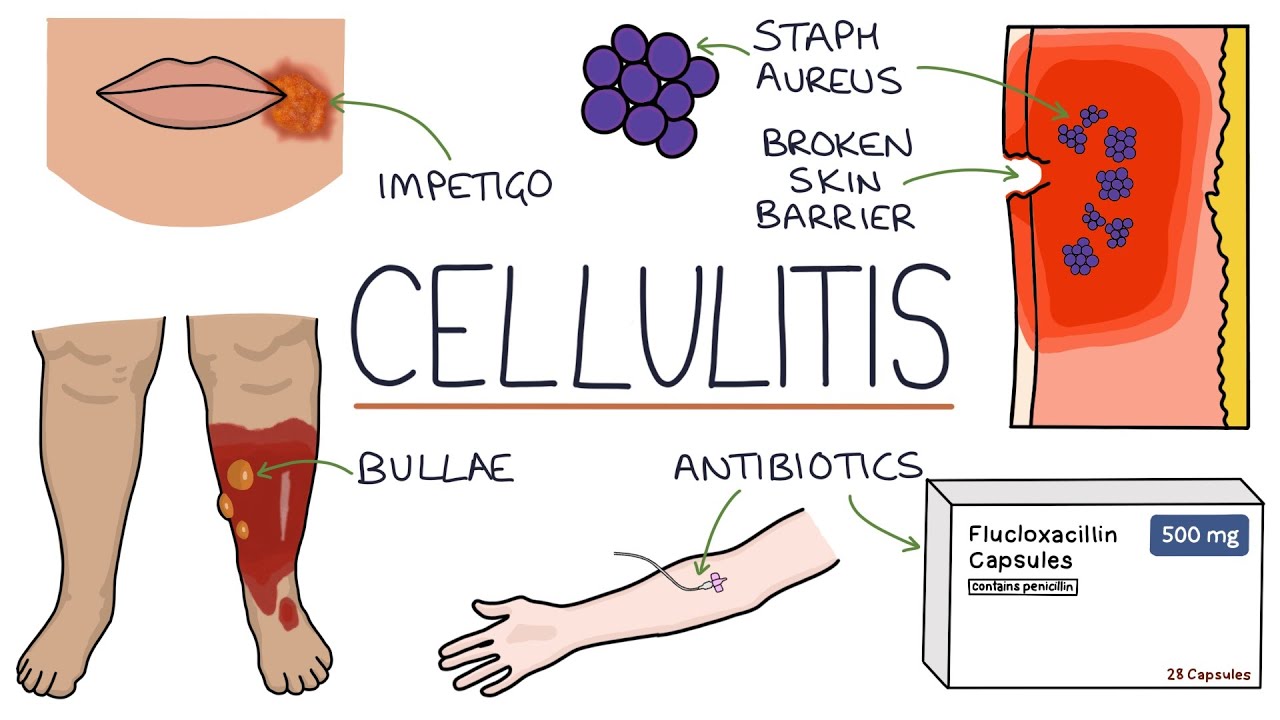
Unusual Cases of Bacterial Cellulitis in Vulnerable Patients
Over the years, the medical community has encountered a number of peculiar cases that remind us that even well-known conditions can present with unexpected twists and turns. One such case is the occurrence of Escherichia coli cellulitis in an immunocompromised patient, a situation that raises both clinical and management challenges. While skin infections are predominantly associated with common bacteria like Staphylococcus aureus or Group A Streptococcus, this case reminds us to always be prepared for the tricky parts of diagnosing and treating infections, especially among vulnerable patient groups.
This editorial reflects on a recent case of a 79-year-old woman with Waldenström macroglobulinaemia and AL amyloidosis who developed E. coli cellulitis. It provides an opinion-based discussion on the diagnostic process, management strategies, and lessons that can be learned when rare pathogens are involved. In doing so, we will get into several key aspects of the case, including the challenges faced while treating an atypical bacterial infection, the need for timely and thorough investigation, and the importance of selecting an appropriate antibiotic regimen.
Getting a Closer Look at Escherichia coli in Skin Infections
Escherichia coli is best known as a common cause of urinary tract infections and gastrointestinal disturbances. However, there are instances when this gram-negative bacterium crosses its usual boundaries to cause skin and soft tissue infections. In immunocompromised patients, the body’s defenses can be significantly weakened, giving opportunistic pathogens the chance to cause serious infections in areas that are not traditionally associated with E. coli.
The case in point involved an elderly patient whose immune system was already compromised by her underlying conditions and by previous chemotherapeutic interventions. In this setting, the detection of E. coli in blood cultures should not be seen as a mere side note—it is indeed a clear signal to dig into the fine points of differential diagnosis. When the typical bugs are ruled out, clinicians must consider the possibility of unusual organisms that can drive prolonged or severe infection, particularly when a patient’s clinical response to standard therapy is less than ideal.
A Deeper Examination of Immune Vulnerability
Patients suffering from hematological malignancies, such as Waldenström macroglobulinaemia, are a particularly sensitive group. Their treatment regimens—often involving intensive chemotherapeutic agents—lead to secondary immunosuppression, making them more susceptible to infections that are usually uncommon in healthy individuals. It is worth noting that:
- The suppression of the immune system limits the usual inflammatory response, which may delay the recognition of a severe infection.
- The typical skin infections that are assumed in clinical practice might not always hold true in these patients.
- Infections caused by E. coli may introduce additional layers of complexity that require tailored diagnostic work-ups.
Clinicians must, therefore, be on their guard and be willing to steer through these complicated pieces by not relying solely on conventional empirical therapies. The case under discussion exemplifies the need for a broader diagnostic approach when the clinical picture does not align with more common infections.
Twists and Turns in Diagnosing Atypical Cellulitis
One of the main challenges in this case was establishing a reliable and accurate diagnosis. Early in the patient’s presentation, she was treated with oral flucloxacillin—a drug that is typically effective against skin infections caused by staphylococci. However, as the days progressed, there was a lack of full improvement in her symptoms. This scenario highlighted the necessity of digging into further diagnostic measures rather than assuming that a standard treatment protocol would suffice.
Additional tests played a critical role in this case. Laboratory investigations documented abnormal markers that hinted at a severe inflammatory response, and blood cultures eventually confirmed the presence of E. coli. With the identification of this bacterium, clinicians were compelled to perform further diagnostics to rule out other likely sources, such as infections stemming from the abdominal or urinary tracts. A computed tomography (CT) scan of the abdomen and pelvis, along with a Doppler ultrasound and urine tests, ruled out alternate infection sources, confirming the diagnosis of E. coli cellulitis.
Laboratory Data: Understanding the Fine Details
A review of the patient’s laboratory results over the course of her treatment trajectory reveals just how critical serial monitoring can be. The table below illustrates the trends in key blood markers that provided valuable clues in assessing her response to treatment:
| Parameter | Reference Range | Day 1 | Day 3 | Day 4 | Day 6 | Day 8 | Day 11 |
|---|---|---|---|---|---|---|---|
| White Cell Count (×10⁹/L) | 4-11 | 2.7 | 8.6 | 6.9 | 4.1 | 4.3 | 4.0 |
| Hemoglobin (g/L) | 115-165 | 93 | 71 | 82 | 81 | 84 | 84 |
| eGFR (mL/min/1.73m²) | N/A | 28 | 31 | 37 | 48 | 46 | 41 |
| CRP (mg/L) | 0-10 | 52 | 383 | 354 | 148 | 75 | 25 |
This table clearly shows the dramatic rise in inflammatory markers at the onset, followed by a gradual decrease once appropriate antibiotic therapy was implemented. Such serial observations underscore the importance of continuous evaluation to figure a path to recovery effectively.
Tangled Issues in Tailoring Antimicrobial Therapy
Once the presence of E. coli was confirmed, one of the most nerve-racking parts for clinicians was to adjust the antimicrobial regimen. The bacterium in this case was found to be resistant to antibiotics such as ciprofloxacin and co-trimoxazole but remained susceptible to amoxicillin, co-amoxiclav, and piperacillin-tazobactam. This finding made it super important for the healthcare team to craft a treatment plan that was not only potent against the pathogen but also mindful of the patient’s multiple co-morbid conditions, including chronic kidney disease and a history of prophylactic antibiotic use.
The treatment strategy entailed an initial switch to intravenous co-amoxiclav. After a complete seven-day course and partial improvement, there remained some residual symptoms, particularly in the form of persistent swelling and pain in the affected area. With limited progress using intravenous therapy alone, the multidisciplinary team decided to add an additional course of oral flucloxacillin. Although flucloxacillin is traditionally not the first choice for a gram-negative infection, its use in combination with co-amoxiclav eventually led to significant clinical improvement.
Key Considerations When Adjusting Antibiotics
When clinicians are faced with such tangled issues in tailoring a treatment strategy, several factors should be taken into account. These include:
- Antibiotic Sensitivity: Understanding the susceptibility pattern of the pathogen is crucial to avoid administering drugs to which the organism is resistant.
- Patient’s Comorbidities: A patient with multiple chronic issues may react differently to antibiotic therapies, necessitating a careful review of the potential impact on kidney function and other organ systems.
- Combination Therapy: Sometimes, a combination of drugs may be more effective than monotherapy—especially when targeting a multi-resistant organism.
- Duration of Treatment: Ensuring that the duration of treatment is sufficient to eradicate the pathogen while monitoring for signs of improvement.
These bullet points highlight the little details that need to be considered when devising a treatment plan. It is a reminder that even in the face of overwhelming challenges, a systematic and careful approach can lead to success.
Overcoming the Scary Aspects of Rare Infections
The management of rare infections, such as E. coli cellulitis, can be an intimidating task for many healthcare professionals. The unusual behavior of the pathogen combined with the complexity of the host’s comorbid conditions can create a scenario that is full of problems and off-putting uncertainties. However, this case shows that by embracing a flexible and well-informed approach, it is possible to overcome even the most nerve-racking obstacles.
One of the important lessons from this scenario is the necessity of early and accurate pathogen identification. Delays in proper diagnosis not only result in prolonged patient discomfort but can also lead to drug resistance and adverse outcomes. The following steps are key in managing such challenging cases:
- Early Blood Cultures: Obtaining blood cultures as soon as an atypical progression of cellulitis is noticed can provide essential clues on the nature of the pathogen involved.
- Comprehensive Imaging: Using radiological assessments, such as CT scans and ultrasounds, helps exclude other potential sources of infection and guides subsequent therapy.
- Multidisciplinary Decision-making: Involving experts from microbiology, radiology, and clinical medicine ensures that every angle of the problem is carefully considered.
These measures make it less overwhelming for the care team to work through complicated pieces of the treatment and ultimately steer the patient toward recovery. The importance of collaboration cannot be overstated, especially when unconventional pathogens disrupt the usual flow of treatment.
Subtle Details in Comprehensive Medical Investigations
One of the critical aspects of managing a rare infection is the need to get into the nitty-gritty of diagnostic investigations. In the case under review, once the blood cultures flagged E. coli, the medical team promptly initiated further investigations to rule out a deep-seated infection source such as biliary infections, urinary tract infections, or even osteomyelitis.
While the initial suspicion might point toward common sources of blood-borne pathogens, careful examinations including CT scans of the abdomen and pelvis, Doppler ultrasounds for deep vein thrombosis, and urine cultures played a pivotal role in ensuring that no hidden complexities were missed. By using a battery of tests and then systematically excluding potential causes, the health team was able to narrow down the source of the bacteremia to cellulitis in the affected leg.
Steps Taken in the Diagnostic Process
The following is a simplified list of steps that were taken during the diagnostic process:
- Initial Clinical Evaluation: Noting the symptoms of fever, rigors, vomiting, and localized signs of inflammation such as swelling and tenderness.
- Laboratory Tests: Monitoring markers like C-reactive protein (CRP), white cell count (WCC), and hemoglobin levels over time.
- Imaging Studies: Conducting CT scans to rule out intra-abdominal infection and Doppler ultrasound to exclude deep venous thrombosis.
- Microbiological Cultures: Utilizing blood cultures to establish the presence of E. coli and further verifying its antibiotic sensitivity profile.
These diagnostic steps offer a roadmap for other clinicians who might encounter similarly tricky situations. It is essential to take a methodical approach and not shy away from additional tests when the clinical response does not meet expectations.
A Path Forward: Key Lessons for Clinical Practice
As we take the wheel in managing our path through the maze of modern clinical challenges, there are several key takeaways from this case report that can inform future practice, particularly for those dealing with immunocompromised patients.
First and foremost, healthcare providers must remain alert to the possibility that routine conditions like cellulitis could be driven by unusual organisms. The following points summarize the lessons learned from this case:
- Consider Atypical Pathogens: In patients with compromised immune systems, the usual suspects may not always be responsible for an infection. Always be open to the idea that a less common bacterium like E. coli may be the culprit.
- Make Your Way Through Thorough Investigations: When faced with confusing bits of diagnostic information or when a patient’s response to standard therapy is suboptimal, initiate additional investigations. Comprehensive imaging and lab tests can help rule out other sources of infection.
- Customize Antimicrobial Therapy Based on Sensitivity Patterns: The administration of the correct antibiotic regimen according to the pathogen’s sensitivity is super important. This case emphasizes the need to adapt therapy quickly if the initial treatment does not result in a clear clinical improvement.
- Collaborate with a Multidisciplinary Team: Complex cases benefit from the collective insights of specialists including microbiologists, radiologists, and clinicians. Collaboration is key to figure a path through the tangled issues that arise in clinical practice.
Moreover, the case reinforces that medical practice is continuously evolving. With the increasing prevalence of multidrug-resistant organisms across the globe, no practitioner can afford to be complacent about the potential shifts in the dominant pathogens encountered in everyday practice.
Looking Beyond the Immediate Case
Beyond the specifics of this single case report, it is important to recognize the broader implications of encountering a rare pathogen like E. coli in skin infections. The rising tide of multidrug-resistant bacteria means that clinicians must be ever vigilant and ready to adjust their treatment strategies. Practitioners should consider investing time to:
- Keep abreast with the latest clinical guidelines and emerging research on resistant pathogens.
- Implement robust antibiotic stewardship programs to curb resistance spread.
- Utilize state-of-the-art diagnostic tools for faster and more accurate pathogen identification.
- Educate patients, especially those with chronic conditions, about the importance of timely medical consultation upon noticing unusual symptoms.
These factors are not only key in ensuring that current patients receive the best care possible but also in safeguarding future generations from the potentially overwhelming challenge of untreatable infections.
Concluding Reflections on a Rare Clinical Encounter
In conclusion, the case of E. coli cellulitis in a 79-year-old immunocompromised patient serves as a potent reminder of the ever-changing and sometimes unpredictable nature of medical practice. While the condition in itself may appear at first glance to be a straightforward instance of cellulitis, the underlying factors—in this case, unusual pathogen involvement and the patient’s compromised immune status—turned it into a complex clinical puzzle.
What makes this case particularly instructive are the following reflections:
- Early Recognition and Action: Rapid identification of the pathogen through blood cultures and timely comprehensive investigations can help avoid the confusing bits that often delay effective treatment.
- Flexibility in Treatment Approaches: The ability to adjust antibiotic strategies based on culture sensitivities, rather than sticking rigidly to conventional protocols, is a must-have skill in modern clinical practice.
- Holistic Patient Management: Handling the small distinctions of care—from monitoring inflammatory markers like CRP to managing coexisting medical conditions such as chronic kidney disease—requires an all-encompassing approach that goes beyond treating a single symptom.
- The Importance of a Multidisciplinary Team: The collaborative efforts of various specialists in this case exemplify the benefits of working together to get around the complicated pieces that arise in unusual clinical scenarios.
This case also prompts us to consider the long-term implications of antibiotic resistance and the emergence of atypical pathogens in our healthcare systems. It is a call to remain proactive in our efforts to update clinical protocols, broaden our diagnostic horizons, and refine our antimicrobial strategies to better serve patients in need.
For the clinician receiving this narrative, the message is clear: always be prepared for the unexpected. When routine treatments fail to yield desired outcomes, it is time to take a closer look at the underlying issues, question standard assumptions, and embrace a more dynamic model of care. This approach not only benefits the patient at hand but also contributes to a more resilient healthcare system overall.
As we reflect on the lessons learned from this rare encounter with E. coli cellulitis, it becomes evident that modern medicine is as much about managing the fine points of clinical investigation as it is about the art of healing. The case stands as a testament to the notion that every patient deserves a carefully considered approach—one that factors in the hidden complexities of underlying conditions, the subtle details gleaned from thorough investigations, and the need to find your way through the myriad challenges that each new day in the clinic may bring.
Future Directions and Ongoing Vigilance
Looking ahead, the medical community must continue to foster an environment in which rare and unusual presentations are given careful consideration. The following are a few thoughts on future directions:
- Enhanced Diagnostic Protocols: Developing more refined diagnostic algorithms that consider atypical pathogens early in the evaluation process could reduce diagnostic delays and improve outcomes in similar cases.
- Research on Resistant Pathogens: Increased research funding and clinical trials focusing on multidrug-resistant organisms will help elucidate the best treatment strategies and may eventually lead to the development of new antimicrobial agents.
- Patient Education Initiatives: Informing patients, particularly those with known immunosuppressive conditions, about the trickier parts of infection management can empower them to seek early care when their symptoms deviate from the norm.
- Interdisciplinary Collaboration: Strengthening networks between various specialties—ranging from clinical microbiology to radiology—promotes a more comprehensive and efficient approach to managing complex cases.
In wrapping up this discussion, one must appreciate that every case, whether it involves typical bacteria or rare pathogens like E. coli in a context of cellulitis, enriches our collective medical knowledge. These experiences collectively serve as guideposts on our journey to master the ever-changing landscape of healthcare.
Ultimately, the management of such rare infections is not just about overcoming immediate clinical hurdles—it is about building a culture of preparedness, continuous learning, and compassionate care. Each case contributes to our understanding of the small distinctions that separate routine presentations from those that require us to figure a path through uncharted territory.
Final Thoughts: A Call to Stay Alert and Adaptive
In the realm of modern medicine, where the only constant is change, healthcare professionals must adopt an adaptive mindset. Recognizing the possibility of atypical infections, especially among patients with compromised immunity, can make the difference between a prolonged hospital stay and a swift, successful recovery.
As we continue to work through the challenges posed by emerging pathogens and antibiotic resistance, let us embrace every case as an opportunity to learn and evolve. By staying informed and collaborating across specialties, we can better manage the unpredictable twists and turns that come our way. It is our responsibility to ensure that the fine points of each case receive the attention they demand, thereby fortifying our ability to deliver thoughtful, effective care under even the most intimidating circumstances.
This case of E. coli cellulitis not only broadens our understanding of skin infections in immunocompromised patients but also serves as a reminder of the intricate yet manageable nature of clinical practice. With prudent diagnostic strategies, carefully tailored treatments, and a spirit of continuous improvement, the medical community can remain resilient in the face of any challenge.
Let us take this instance as a prompt to remain vigilant, to educate our peers and our patients, and to consistently re-evaluate our approaches in light of new evidence. The battle against resistant organisms and atypical presentations is ongoing, but with every unusual case, we inch closer to a future where personalized and dynamic healthcare is the norm rather than the exception.
In summary, this editorial calls upon all medical professionals to keep their minds open to the myriad possibilities inherent in clinical diagnosis. When the standard script does not apply, it is time to roll up our sleeves, re-examine every lab value, reassess our treatment strategies, and collaborate with expertise from every corner of the healthcare spectrum. The lessons learned here are not confined to a single patient or a single diagnosis—they resonate with the broader mission of providing the best possible care in a world that is full of surprises.
As we continue to record our experiences and share our insights, it is essential to remember that every case, whether straightforward or riddled with complications, plays a vital role in shaping the future of healthcare. We must remain committed to learning from each encounter and to ensuring that every patient, regardless of their background or underlying conditions, benefits from the full range of our professional expertise and compassion.
Originally Post From https://www.cureus.com/articles/379336-escherichia-coli-cellulitis-in-a-patient-with-waldenstrm-macroglobulinaemia-a-case-report
Read more about this topic at
An unusual case of Escherichia coli cellulitis and …
Escherichia Coli bacteremia and rapidly progressive …

