
The Rising Trend of Falls Among Older Adults: A Closer Look
Recent statistics reveal a startling increase in fall-related deaths among older adults. In the past few decades, the rate at which seniors succumb to injuries from falls has more than tripled. This trend is not only a public health concern but also a sign that many are struggling to find their way through the tangled issues of aging, medication side effects, and environmental hazards. In this opinion editorial, we take a closer look at the various factors contributing to this alarming trend, explore the role of prescription drugs, and discuss strategies to help seniors steer through these nerve-racking challenges.
Older adults often face numerous tricky parts in managing their health. Between maintaining an active lifestyle and managing medical treatments, seniors must find a balance that minimizes the risk of falls. With the population living longer, ensuring that seniors remain safe while retaining their quality of life is more essential than ever.
Prescription Drugs and Their Role in Increased Fall Mortality
One of the central issues raised by health experts is the heavy reliance on prescription medications that can have slippery side effects. Drugs designed to manage conditions like depression, pain, and anxiety – including benzodiazepines, opioids, and other central nervous system depressants – are increasingly common among the elderly. These medications, while sometimes essential, can produce drowsiness, dizziness, and disorientation, which may lead to falls.
A notable case is that of Earl Vickers, a 69-year-old retired electrical engineer from Seaside, California, who experienced frequent falls after starting a cancer drug known for its side effects. Adjusting his treatment plan led to noticeable improvement in his balance and overall safety. His story is a prime example of how medication choices directly impact fall risk and underlines the need for a more critical evaluation of drug regimens in older populations.
It is important to remember that while these drugs help manage chronic conditions, they also sometimes introduce complicated pieces to patient health management. By making small yet significant changes – such as reducing or substituting these medications – healthcare providers can make a super important impact on reducing fall incidences among the elderly.
Understanding the Impact of Medication on Fall Risk
Recent research points to a direct relationship between certain medications and fall-related injuries. Health experts have identified a category of drugs known as FRIDs, or “fall-risk-increasing drugs.” These include not only opioids and benzodiazepines but also some cardiac medications and early antihistamines, which can lead to unintended dizziness and instability.
Below is a table that summarizes some categories of FRIDs along with their common side effects:
| Medication Category | Common Side Effects |
|---|---|
| Benzodiazepines | Drowsiness, reduced alertness, balance issues |
| Opioids | Dizziness, sedation, impaired coordination |
| Antidepressants | Dizziness, fatigue, orthostatic hypotension |
| Antihistamines (e.g., Benadryl) | Sleepiness, blurred vision, poor balance |
This table illustrates just a portion of the subtle details that contribute to fall risk among older adults. The challenge is further compounded when multiple FRIDs are prescribed simultaneously, turning medication management into a nerve-racking balancing act.
Evaluating the Health Impact Through Personal Stories and Statistical Evidence
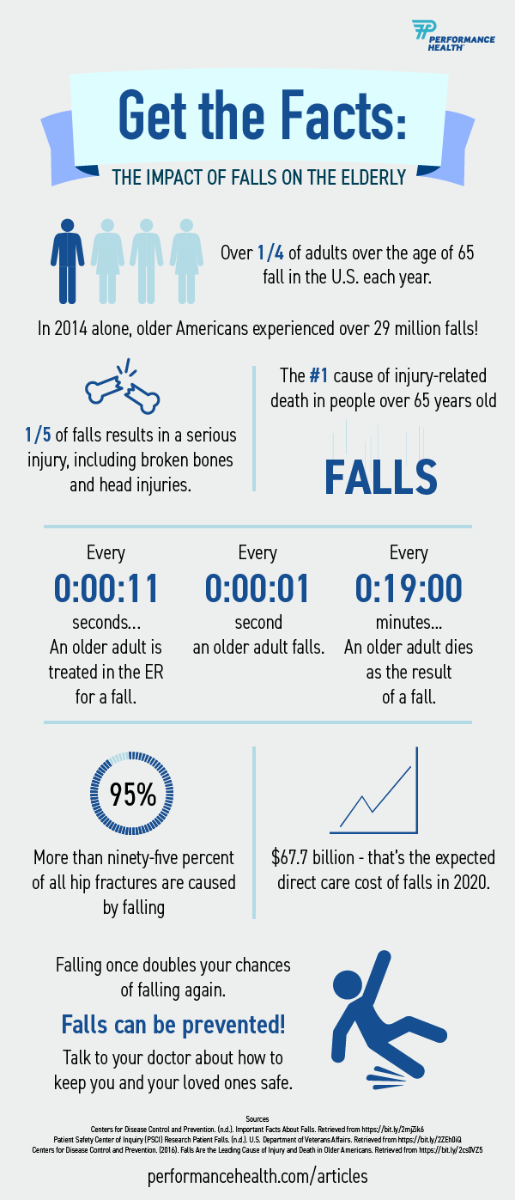
Public health data and individual stories both illustrate that the issue of fall-related mortality is multi-layered. For instance, in 2023, the Centers for Disease Control and Prevention (CDC) reported that over 41,000 Americans over 65 died from falls. More critically, the death rates among those over 85 skyrocketed from 92 per 100,000 in 1990 to 339 per 100,000 in 2023. These numbers are more than just statistics; they represent lives disrupted and families affected by a series of off-putting events that many might consider inevitable.
A few years back, when similar cases were reported, many dismissed falls as a natural consequence of aging. But, as more research is published, it becomes clear that preventable factors – like the overuse of certain medications – play a significant role in these tragedies. These trends force us to take a closer look at the small distinctions between natural aging and drug-induced vulnerability.
Examining Alternative Explanations: The Shift in Reporting Methods
While the increasing use of FRIDs seems to correlate with higher fall mortality, alternative explanations warrant examination. Some experts argue that changes in death certificate reporting are partly responsible for the rising numbers. In past decades, falls were often not listed as the primary cause, with fatalities being attributed to heart failure or other conditions. Today, falls receive explicit recognition, thereby casting a more critical light on fall mortality trends.
Additionally, baseline health characteristics of today’s over-85 population may differ from earlier generations. Modern medicine has given more people the chance to reach older ages, which means that many seniors today experience multiple health issues simultaneously. Their overall frailty and accumulated impairments might play as significant a role in fall-related deaths as do the medications they take.
The Underappreciated Guidance of Deprescribing in Fall Prevention
Among the many strategies proposed to address fall risks in seniors, deprescribing has emerged as a promising approach. Deprescribing involves systematically reducing or stopping medicines that pose more risk than benefit. Health experts in geriatrics stress that while initiating medication is often straightforward, the process of having patients stop problematic drugs requires significant time and dedication.
Here are some key points that highlight the benefits and challenges of deprescribing:
- Identifying FRIDs: Recognizing which medications contribute to falls is the first step.
- Patient and Provider Communication: Open discussions help clarify treatment goals and streamline alternative options.
- Monitoring and Adjustments: Regular reviews of patient status and medication side effects are critical.
- Alternative Therapies: Exploring non-drug interventions, such as physical therapy and cognitive behavioral therapy, can reduce reliance on medications.
By taking a methodical approach to reducing medication overload, healthcare teams can help older patients achieve a safer, more manageable treatment plan. This approach is not without its complications, but the takeaway is clear: a more individualized strategy might go a long way in mitigating fall risks.
Exploring Nonpharmacological Interventions for Elderly Falls
While medication adjustments are critical, they are just one part of the picture. Nonpharmacological interventions play a super important role in reducing falls. These methods target the physical environment and the everyday habits of older adults.
Some of these interventions include:
- Exercise and Physical Therapy: Tailored exercise programs can strengthen muscles, improve balance, and boost overall resilience.
- Home Safety Modifications: Installing grab bars, improving lighting, and reducing tripping hazards at home can make a substantial difference.
- Cognitive Behavioral Therapy for Insomnia: Better sleep patterns can alleviate issues like drowsiness during the day, which in turn decreases fall risks.
- Vision and Hearing Checks: Regular check-ups help address sensory deficits that might lead to imbalance.
Each of these methods helps to address the subtle parts of the fall risk puzzle. They represent doable ways for patients and caregivers to dig into preventative measures without solely relying on medications.
Understanding Contributing Factors Beyond Medication Overuse
It is important to realize that the risk of falls in older adults is not solely medication-related. Many other elements contribute to a higher likelihood of a dangerous tumble. Factors such as declining vision, muscle weakness, and even environmental hazards at home are all part of the tricky parts that must be addressed.
Below is a bulleted list of contributing factors:
- Age-Related Physical Decline: Natural deterioration in muscle strength and balance.
- Sensory Impairments: Reduced vision and hearing can prevent quick adjustments during a fall.
- Environmental Hazards: Poor lighting, slippery floors, and cluttered living spaces can increase the risk.
- Alcohol Consumption: Even moderate drinking can exacerbate balance problems.
- Chronic Health Conditions: Diseases such as arthritis or Parkinson’s add another layer of risk.
When combined with the effects of certain medications, these issues create a full-of-problems scenario that makes it challenging for seniors and their caregivers to find a path that minimizes fall risks effectively.
Overcoming the Drawbacks of Fall Risks: Strategies and Preventative Measures
Addressing the surge in fall-related injuries among seniors requires a comprehensive, multi-faceted approach. Healthcare providers and caregivers must work together to figure a path that tackles the tangled issues from more than one angle. The following strategies represent essential steps in curbing this public health challenge:
- Regular Medication Reviews: Continually reassessing prescriptions ensures that super important drugs remain appropriate and safe for continued use.
- Implementing Balance and Strength Training: Incorporating tailored exercise routines can help older adults maintain stability.
- Improving Home Safety: Simple modifications, such as installing non-slip mats, can significantly reduce fall hazards.
- Patient Education: Encouraging patients to raise concerns about their medications and fall risks during doctor’s visits can lead to more personalized care.
- Interdisciplinary Collaboration: A team of healthcare providers, including doctors, nurses, physiotherapists, and social workers, can offer comprehensive support.
These preventative measures, applied in a coordinated manner, allow for a more resilient approach to fall prevention. They also empower patients and their families to take control of their health by getting into informed discussions and strategically reducing risks.
Assessing Shifts in Reporting Fall-Related Deaths: Trends and Challenges
An important layer to this issue is the evolution of how fall-related deaths are reported. Historically, falls were sometimes seen as a natural outcome of aging, leading healthcare providers to focus on more immediately pressing issues such as heart conditions. However, as the awareness of fall risks has grown, so too has the attention to fall-related deaths on official records.
This shift is illustrated by the increasing specificity in death certificates. What once might have been recorded as “heart failure” or simply “old age” is now frequently attributed directly to a fall. Some experts suggest that while the actual number of falls may not have increased as sharply, the improved reporting methods have brought these incidents into sharper public focus. This adjustment in approach not only clarifies the true scope of the problem but also underlines the necessity of addressing fall risks systematically.
A Call for Collaborative Efforts in Geriatric Care and Medication Management
Given the multifaceted nature of fall risks, a collaborative approach is essential. This means that healthcare providers, caregivers, policymakers, and patients themselves must all work together to address the complicated pieces involved. It is not enough to rely solely on the expertise of one group; rather, a coordinated effort is the key to making sustainable improvements.
The following points highlight steps that could be taken to foster more effective collaboration:
- Interdisciplinary Training: Equip healthcare teams with the skills to assess both the physical and medication-related risks of falls.
- Enhanced Communication: Develop better channels of dialogue between primary care doctors and specialists to discuss FRIDs and safe alternatives.
- Patient Outreach Programs: Educate seniors on how to recognize side effects and when to request a review of their drug regimens.
- Data Sharing and Research: Encourage research initiatives that track the combined impact of environmental, physical, and pharmaceutical factors on fall risk.
By taking these steps, the healthcare community can better figure a path towards reducing falls and their potentially devastating consequences. Collaborative efforts enable a broader perspective that is essential for addressing both the small distinctions and the larger issues at play.
Empowering Patients: Discussing Fall Risk with Healthcare Providers
For seniors, being proactive about their health is crucial. Too often, patients defer decisions to their healthcare providers without asking critical questions about the potential side effects of their medications. It is essential for older adults and their caregivers to be fully informed about the risk factors related to their drug regimens. Asking simple yet key questions during medical appointments can lead to significant improvements in safety.
Some conversation starters include:
- “Do any of my medications make me more likely to feel dizzy or off-balance?”
- “Is there an alternative treatment that carries a lower risk of falls?”
- “How frequently should we review my medications to make sure I’m not at increased risk?”
- “Can physical therapy or a balance training program complement my current treatment plan?”
Such questions help transform a routine appointment into an opportunity to dive in and address the hidden complexities that contribute to falls. Empowered patients are more likely to work with their doctors to tailor treatments that account for both the management of chronic conditions and the minimization of fall risks.
Practical Tips for Caregivers: Keeping Seniors Safe at Home
Caregivers play a super important role in ensuring that seniors maintain a safe living environment. By picking up on the tiny, easily overlooked tweaks that can make a home safer, caregivers can provide both peace of mind and a tangible reduction in fall risks.
Here are some practical tips for caregivers:
- Home Assessments: Regularly walk through the home to pinpoint potential hazards such as loose rugs, poor lighting, or cluttered pathways.
- Assistive Devices: Consider installing grab bars in the bathroom, using non-slip mats, and ensuring that stairways have secure railings.
- Physical Activity: Encourage regular exercise that focuses on strength and balance, which can significantly improve overall stability.
- Monitoring Medication Schedules: Keep a log of the times and dosages of medications, especially those known to affect balance, to ensure that adjustments can be made if necessary.
- Emergency Preparedness: Make sure that seniors know how to call for help and that emergency contacts are easily accessible.
By following these steps, caregivers can help mitigate many of the small twists and turns that lead to falls. Such proactive measures not only safeguard physical health but also contribute to overall mental well-being, reducing the fear and anxiety associated with falling.
Addressing the Hidden Challenges in Geriatric Fall Prevention
Despite the various strategies and improvements in medical care, the issue of fall risk remains a tense challenge for seniors. The little details – from environmental hazards and sensory impairments to the unintended side effects of medications – combine to create a scenario that is both challenging and overwhelming. Addressing these issues requires looking at the full picture, understanding the root causes, and then working together to implement solutions.
A multi-pronged approach is necessary to tackle this problem. For example, healthcare providers must be mindful of prescribing practices, while policymakers should focus on initiatives that promote safer home environments and more comprehensive screening for fall risk. This combination of medical oversight and community support can help seniors feel more secure and empowered.
Integrating Technology in Fall Prevention Strategies
The future of fall prevention may well lie in technological innovations. With advancements in artificial intelligence and wearable devices, there are emerging tools that can help predict fall risk and provide alerts to both seniors and caregivers. These tools can monitor movement, detect unusual activity, and even track changes in balance over time.
For example, wearable devices such as smartwatches and fitness trackers can record data on a patient’s gait and activity levels. When integrated with AI-driven software, this data can be analyzed to signal if there is a higher-than-normal risk of falling. Some systems even incorporate emergency response features, ensuring that help is dispatched promptly if a fall is detected.
The promise of these technologies introduces a new dimension to elderly care, offering a blend of proactive monitoring and rapid response. Although these innovations come with their own set of challenges – including privacy issues and the need for technical reliability – they represent a super important step forward in the battle against fall-related injuries.
Looking Ahead: Future Directions in Fall Prevention Research
While much has been learned about the causes and potential treatments of fall-related injuries in older adults, the research field continues to evolve. Future studies are poised to take a closer look at the subtle details of how multiple medications interact with physical frailty and sensory impairments. In many ways, the challenge remains to dig into the nitty-gritty of each contributing factor and then devise interventions that are both effective and individualized.
Areas ripe for further research include:
- Medication Interaction Studies: Understanding how combinations of drugs heighten fall risk.
- Longitudinal Health Tracking: Following aging patients over time to gather data on which strategies yield the best outcomes.
- Environmental Impact Research: Studying how home modifications contribute to fall prevention among various demographics.
- Technology Integration: Assessing the effectiveness and usability of AI and wearable devices in predicting and preventing falls.
These studies will be super important to bridge the current gaps in our knowledge, providing healthcare professionals with data-driven insights that can truly make a difference in the lives of many seniors.
Final Thoughts: Charting a Safer Future for Our Seniors
As our society grapples with an aging population, the importance of addressing fall-related mortality becomes ever more critical. While the reasons behind the rise in falls are full of problems – from the direct effects of certain medications to environmental hazards and changes in health reporting – there is also a clear path forward. By integrating smarter prescribing practices, advanced technology, and comprehensive care strategies, we can help seniors regain a sense of security and maintain an active, fulfilling life.
The journey toward reducing falls among older adults is by no means simple. It involves working through intricate, sometimes intimidating layers of health challenges. However, by fostering collaboration among healthcare professionals, caregivers, and patients, progress can be made. Every small improvement, whether it be a change in medication or a simple home safety modification, can add up to a significant reduction in risk.
It is crucial for everyone involved – from clinicians to caregivers to the patients themselves – to keep communication channels open. Asking questions such as, “Could any of my current medications increase my chance of falling?” or “Are there safer alternatives for managing my pain or insomnia?” can dramatically shift the focus from reactive to proactive care. Empowered seniors who actively participate in their treatment decisions are better placed to avoid the nerve-racking pitfalls that currently plague many in this population.
Looking ahead, the solutions to these challenges will likely come from a combined effort that includes revisiting prescription practices, utilizing cutting-edge technology, and creating environments that support healthy aging. The lessons learned from past research and evolving clinical practices must guide us as we strive to figure a path through the intricate maze of modern geriatric care.
Conclusion: A Shared Responsibility
In conclusion, the rising tide of fall-related mortality among older adults is a multifaceted problem loaded with issues that require immediate and thoughtful attention. Each element—from the side effects of critical medications to environmental factors and reporting shifts—plays a part in a larger, more complicated puzzle. By addressing these challenges head-on, we can begin to peel away the layers of risk and uncertainty, ultimately crafting a future where our seniors can enjoy their golden years with reduced fear and greater self-assurance.
Moving forward, it is essential to remember that fall prevention is not the responsibility of a single individual or group. Rather, it is a shared responsibility that touches on public health policy, medical practice, community support, and personal vigilance. Health professionals must continue to explore the tiniest details of each patient’s situation while caregivers and policymakers create safer environments. Together, these concerted efforts will pave the way for a more secure and promising future for all older adults.
The challenges are significant, and the journey is far from over. However, with determined collaboration and ongoing research, we can hope that the trends will eventually reverse. Ensuring the safety and dignity of our aging population is not only a super important public health priority—it is a testament to our collective commitment to care for those who laid the groundwork for our communities.
In the end, every step taken to reduce fall risks, every conversation about medication side effects, and every home modification that prevents a fall makes an essential difference in the lives of seniors. Let us continue to work together, ask the right questions, and build solutions that reflect our respect for and commitment to the well-being of our elders. The stakes are high, but the rewards—increased safety, enhanced quality of life, and the preservation of independence—are well worth the effort.
Originally Post From https://www.news-medical.net/news/20250915/Why-are-more-older-people-dying-after-falls.aspx
Read more about this topic at
Prescription drugs linked to rising fall deaths in seniors …
Prescription drugs linked to rise in fall-related deaths for …

