
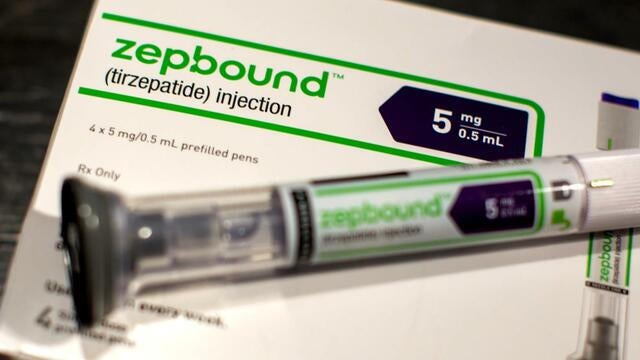
Breaking New Ground in Weight Loss Treatments
In recent times, the discussion around weight loss medicine has shifted dramatically. With the emergence of new drugs positioned as alternatives to established treatments like Ozempic and other GLP-1 medications, many patients and healthcare experts are beginning to take a closer look at these options. This opinion editorial offers a neutral perspective on the evolving landscape of weight loss treatments, the tricky parts of comparing new medications with traditional ones, and the role that media plays in shaping our views on healthcare and weight management.
The conversation about weight loss medicine is not new, but the introduction of alternatives has stirred up plenty of debate. Not only does this development offer potential benefits for individuals seeking to lose weight, but it also brings with it several tangled issues related to safety, effectiveness, and long-term health outcomes. As we figure a path through this emerging field, it is important to acknowledge both the opportunities and the challenges that come with rethinking our approach to medicine.
Exploring Innovative Alternative Weight Loss Drugs
Over the past few years, a variety of medications have been developed to help patients achieve their weight loss goals. While traditional GLP-1 drugs have dominated headlines, new alternatives are now attracting attention from both the public and medical professionals. These alternative medications claim to offer similar benefits for weight loss, but with differences in administration, side effects, and overall patient experience.
A key aspect of the debate revolves around how these new options fit into a broader spectrum of treatments available. Some patients seek medications that work in tandem with lifestyle and nutritional modifications, while others are looking for a more direct pharmacological intervention. The introduction of alternatives opens up a conversation about personalized medicine—finding the right balance between drug therapy, diet, and exercise.
In many ways, the development of alternative drugs is a response to the demand for more choices. For individuals who have experienced limited success with conventional options, diversifying treatment strategies is a must-have approach. However, with each new option comes a set of confusing bits and complicated pieces that require careful consideration by both patients and their healthcare professionals.
Shifting Trends: From GLP-1 to Broader Treatment Strategies
The popularity of GLP-1 agonists, such as Ozempic, has grown considerably over recent years. Their effectiveness in reducing appetite and managing blood sugar levels has made them a super important tool in weight management for many individuals. However, as more people become exposed to their benefits, the demand for alternative medications has also increased.
By offering alternative routes to weight loss, the healthcare community is not only looking to accommodate patient preferences but is also trying to address potential side effects or limitations presented by existing treatments. This movement toward diversification is driven by the simple fact that one size does not fit all when it comes to healthcare. Every individual has subtle parts in their biological makeup that may respond differently to a given treatment.
For instance, patients who experience nerve-racking side effects with GLP-1 drugs might find new alternatives more tolerable. Moreover, the new drugs under development tend to be part of a tailored approach that considers patient history and co-existing conditions. As modern medicine evolves, the strategy is to combine medications with well-thought-out dietary plans and exercise regimes, creating a holistic approach to weight loss.
Understanding the Patient Perspective: Safety, Benefits, and Real-World Results
One of the key factors in adopting any weight loss medication is its safety profile. Patients naturally face overwhelming choices when deciding which treatment to pursue. It is essential to take a closer look at the risks and benefits associated with new medications versus traditional ones.
Patients considering alternative options often highlight several concerns:
- Potential side effects that might contrast with those seen in established medications.
- The speed and effectiveness of weight loss relative to lifestyle modifications.
- Long-term health implications that are often wrapped up in complicated pieces of clinical data.
- Cost and accessibility issues that can differ widely between treatment options.
A table comparing the key features of traditional GLP-1 drugs and emerging alternatives may help clarify these differences:
| Feature | GLP-1 Drugs (e.g., Ozempic) | New Alternative Medications |
|---|---|---|
| Mechanism of Action | Primarily focuses on reducing appetite and controlling blood sugar levels. | May incorporate additional pathways, potentially affecting metabolism in novel ways. |
| Side Effects | Includes nausea, gastrointestinal discomfort, and injection site reactions. | Side effects are still under investigation, with early data suggesting a potentially different profile. |
| Patient Suitability | Widely approved with a known safety profile in various populations. | Being evaluated in clinical trials to address patient diversity and personalized responses. |
| Cost and Accessibility | Often expensive and may not be covered by all insurance plans. | Pricing strategies are still being established, and insurance acceptance could evolve. |
The table above outlines subtle details regarding each category of medication and emphasizes the little twists that come along with every innovation. For patients, understanding these factors is essential when trying to figure a path toward effective weight management.
The Role of Media in Shaping Public Health Conversations
It is no secret that media outlets play a critical role in influencing how we perceive healthcare innovations. With televised reports, articles, and online bulletins, every new development in the field of weight loss medicine gets amplified by media coverage. This can be both beneficial and challenging for the general public.
For example, media programs that detail the benefits of alternative weight loss drugs may encourage patients to explore new treatment options. On the other hand, if coverage skews toward sensationalism or political bias, it might create an environment where discussions about the safety and efficacy of these medications become loaded with issues or on edge with tension.
Consider the following points regarding media influence:
- Neutral, fact-based reporting can empower patients to make informed decisions.
- Overly dramatic portrayals may discourage patients who are already apprehensive about new approaches.
- Balanced journalism helps to reveal the fine points of both new and traditional weight loss treatments.
- Opinions from trusted experts, such as healthcare professionals discussing medication on widely viewed shows, offer a way to sift through the subtle details.
As consumers, it is important to dive in and get into multiple sources of information. By comparing data from clinical studies with expert analysis and firsthand testimonials, individuals can better manage the nerve-racking process of deciding on a treatment plan.
Digging Into the Tricky Parts of Weight Loss Medication Management
When new weight loss medications enter the market, they bring with them a series of tangled issues and confusing bits that providers and patients alike must address. One of the trickiest parts is understanding which patients stand to benefit most from these therapies and under what circumstances.
Healthcare professionals must figure a path through detailed clinical trials, patient feedback, and emerging research to provide recommendations that are as safe as they are effective. For patients, this means asking questions like:
- What distinguishes the new alternative from the traditional GLP-1 drugs?
- How do I assess my risk of experiencing side effects?
- What additional lifestyle modifications might be required for optimal results?
- Can I expect the medication to offer sustainable benefits over the long run?
Addressing these questions requires a collaborative approach between the patient and provider. With both parties taking the time to sort out the little details, the goal becomes to create a treatment strategy that factors in the twists and turns of each person’s unique health profile.
Health Policy and the Challenge of Cost and Accessibility
Beyond the clinical aspects, there is also the broader issue of health policy and how cost and accessibility affect treatment choices. New weight loss medications are not only under the microscope for efficacy and safety; they are also evaluated in terms of cost efficiency and insurance coverage.
Many patients report that the high price tags and inconsistent insurance policies associated with these treatments can be overwhelming. As a result, decision-makers and policymakers must work hand in hand with healthcare providers and pharmaceutical companies to ensure that these medications remain accessible to all who may benefit from them.
A clear breakdown of these factors can be seen in the following bullet list:
- Pricing Strategies: New alternatives often come with initial high costs until production scales and more data on cost-effectiveness becomes available.
- Insurance Coverage: Policy adjustments may be needed to accommodate emerging treatments as more evidence of their benefits is collected.
- Access in Diverse Populations: Ensuring that underserved communities can also benefit from weight loss interventions is a super important goal.
- Patient Education: Informing patients about the economic implications of a treatment helps in making a well-rounded decision regarding their health.
Given these points, the role of healthcare policymakers is almost as critical as that of the pharmaceutical innovators themselves. With a balanced approach that considers both medical outcomes and economic feasibility, we can work toward expansive access to weight loss treatments.
Integrating Weight Loss Medications With Holistic Lifestyle Interventions
One common observation among healthcare experts is that no medication should be viewed as a silver bullet. While new alternatives provide exciting opportunities to manage weight more effectively, they are typically most effective when combined with a holistic approach involving nutrition, exercise, and mental health considerations.
A new weight loss medicine is part of an integrated ecosystem of health management that includes:
- Balanced nutrition plans designed around whole foods and minimal processing.
- Regular physical activity tailored to individual fitness levels and interests.
- Behavioral interventions that help manage stress and emotional eating.
- Support systems including counseling, community groups, or digital health platforms.
Combining these factors not only helps patients get around the intimidating challenges associated with weight loss but also empowers them to maintain their progress over time. Physicians and nutrition experts alike emphasize that sustainable weight loss is achieved by addressing both the external and internal factors influencing a person’s overall health.
When patients understand that medications work best as part of a comprehensive lifestyle plan, they are more prepared to embrace strategies that incorporate both pharmaceutical and non-pharmaceutical interventions.
Patient Empowerment Through Enhanced Education and Communication
One of the most critical aspects of modern healthcare is education—ensuring that patients have the key information necessary to make informed decisions. Enhanced communication between clinicians and patients helps to simplify the confusing bits and complicated pieces of decision-making involved in starting a new weight loss medication.
The role of open dialogue cannot be overstated. Healthcare providers who take the time to work through the subtle details of treatment options help build trust and transparency. When patients are encouraged to ask thoughtful questions, they are better able to weigh the pros and cons of any given treatment.
Some ways to foster improved patient communication include:
- Providing clear, jargon-free explanations of how new medications work.
- Utilizing visual aids such as charts and tables to outline risks and benefits.
- Setting up follow-up consultations to address any emerging concerns about side effects or treatment efficacy.
- Encouraging patients to keep a health journal to monitor their response and progress.
By creating an environment where questions are welcomed and complex topics are broken down into simpler, digestible parts, both physicians and patients can steer through the twists and turns of modern weight loss medicine.
Clinical Research and the Road Ahead for Weight Loss Medications
As new alternatives emerge, ongoing clinical research remains a cornerstone of validating both their safety and effectiveness. Many of these alternative medications are still under extensive study, and early trials have provided promising, albeit preliminary, evidence of their potential.
Key aspects under investigation include:
- How these new compounds interact with metabolic pathways differently from existing treatments.
- The rate at which patients lose weight and whether this translates to long-term improvements in health markers.
- Comparisons of efficacy, side effects, and patient tolerance between new alternatives and traditional GLP-1 drugs.
- How lifestyle and genetic differences influence response rates to various medications.
Many experts caution that while the initial data is encouraging, the road ahead is filled with subtle details and lingering questions. It is essential to continuously monitor the performance of these medications in real-world scenarios, allowing healthcare providers to adjust treatment plans as more evidence is gathered.
In this evolving research landscape, scientific journals, patient registries, and real-world evidence all play a role in clarifying the little twists of treatment response. Such feedback loops contribute to the improvement of future formulations and help refine the guidelines for usage.
Public Health, Accountability, and a Broader Perspective
Expanding the discussion beyond individual patient care, the broader public health implications of weight loss medication adoption are equally important. As public institutions, healthcare providers, and media outlets interact, the conversation becomes as much about accountability as it is about innovation.
There are several reasons why an unbiased conversation about these medications is critical:
- Ensuring that all patient populations, regardless of socioeconomic status, have access to safe and effective treatments.
- Promoting transparent research practices and unbiased reporting on new medical developments.
- Balancing the need to address widespread obesity while avoiding over-reliance on pharmacological fixes.
- Addressing the potential off-label use of these medications and safeguarding against misuse.
A forward-thinking public health strategy must take into account both the medical benefits and the social, economic, and ethical aspects of weight loss treatments. This means that stakeholders, ranging from government policymakers to healthcare providers, need to be on the same page when it comes to safety, education, and accessibility.
A balanced approach—one that leverages clinical evidence, patient testimonials, and responsible media reporting—can help steer through the nerve-racking landscape of modern medicine, ensuring that new treatments benefit society as a whole.
Reflections on Media’s Impact and the Future of Healthcare Discussions
The role of media in shaping public understanding of healthcare remains one of the small, yet critical, factors in the overall discussion about weight loss medications. News channels and digital platforms often present a mix of opinions and data, making it sometimes overwhelming for readers to form their own opinions.
It is essential for media professionals to present balanced viewpoints—reporting clinical evidence, offering insights from healthcare professionals, and acknowledging both benefits and risks. In doing so, they help the public get around the intimidating challenges of sifting through various facets of treatment information.
For example, coverage that includes interviews with experts such as Dr. Mahsa Tehrani not only highlights the potential benefits of new alternatives but also emphasizes the importance of context and caution. Such balanced reporting helps mitigate the nerve-racking confusion that can arise when media coverage is either overly optimistic or excessively critical.
To further assist the public, media outlets can adopt strategies like providing accompanying educational materials, holding press conferences with Q&A sessions, and ensuring that disparities in reporting are minimized. Ultimately, the goal should be to foster a well-informed public that is capable of making educated decisions regarding their weight management and overall health.
Looking Ahead: What This Means for Patients and Healthcare Providers
As the landscape of weight management continues to evolve, both patients and healthcare providers must be prepared to work together in managing their way through a field full of tricky parts and subtle details. The advent of new weight loss medications introduces exciting possibilities for those who have long searched for alternatives to existing treatments.
For patients, this means an increased emphasis on sharing honest feedback and experiences. For clinicians, it means staying updated on emerging evidence and finding ways to integrate new options into a comprehensive care plan that includes nutrition, exercise, and mental support.
Healthcare providers can take several steps to handle this transition:
- Maintain open and ongoing communication channels with patients, ensuring that they understand both the benefits and risks associated with new treatments.
- Stay engaged with clinical research and updated guidelines to effectively compare new alternatives with established drugs.
- Create patient education materials that break down the fine points of each treatment option into digestible information.
- Encourage lifestyle modifications alongside pharmaceutical interventions for long-term weight management success.
For both patients and providers, the key is to remain flexible and responsive. As more data emerges, treatment strategies will likely be adjusted to reflect new insights. This means that being well-informed is not a one-time task but an ongoing process of learning, adapting, and re-evaluating.
Summary and Final Thoughts
To summarize, the introduction of new weight loss medications in the wake of traditional GLP-1 drugs creates an ecosystem filled with both opportunities and challenges. From the nuanced differences in drug mechanisms and safety profiles to the broader implications on healthcare policy and media influence, there is a lot to unpack.
Patients now have a wider array of options to explore, but with that choice comes the responsibility to understand the little twists and fine points of each treatment option. Healthcare professionals, in turn, must work diligently to ensure that treatment decisions are based on sound evidence and are communicated in a neutral, accessible manner.
This journey into the world of alternative weight loss treatments is not without its intimidating moments. However, by combining the latest clinical insights, responsible media reporting, and holistic lifestyle strategies, we can make steady progress toward an era of better, more personalized healthcare.
Ultimately, the conversation about weight loss medication should not be reduced to a simple debate about new versus old. Instead, it should be viewed as part of a broader narrative about how modern medicine is adapting to the diverse needs of society. Whether you are a patient seeking a new solution or a healthcare provider looking to refine your treatment strategy, the future promises a more nuanced, patient-centered approach to weight management.
In this brave new world of weight loss treatments, knowledge, transparency, and open discussion are the super important ingredients for success. As more research continues to emerge and as real-world data further informs clinical guidelines, we can expect the options available to become even more refined, offering personalized strategies that meet each individual’s unique needs.
With both traditional and novel medications playing their parts, the key takeaway is that there is no single solution to the complex puzzle of weight management. Instead, it requires a concerted effort, combining medical innovation, patient education, and supportive community environments to truly make a difference.
Conclusion
In conclusion, the evolving landscape of weight loss medication, marked by the rise of new alternatives to conventional treatments like Ozempic, underscores a critical turning point in healthcare. As patients and providers alike navigate the challenging bits of choosing the right treatment, it is clear that a flexible, well-informed approach is absolutely essential.
With informed discussions, robust clinical research, and responsible media engagement, this new era of weight loss treatments has the potential to not only promote individual health improvements but also advance the broader goals of public health. By continuing to explore, evaluate, and integrate these treatment options into holistic care plans, we can deliver better outcomes, help mitigate the challenges associated with weight management, and ultimately improve quality of life.
As healthcare continues to evolve, let us remain committed to working through the subtle details and tiny complexities that define every treatment option. Through open communication, continuous education, and thoughtful policy making, together we can steer through the twists and turns of modern medicine—embracing innovation while safeguarding the well-being of each individual.
The journey toward better weight management is ongoing, filled with both promise and challenges. It is a shared responsibility among patients, providers, policymakers, and the media to ensure that every step taken is rooted in factual evidence, clear communication, and an unwavering commitment to health equity. Only then can we truly achieve a future where weight loss treatments help pave the way for healthier, happier lives.
Originally Post From https://www.foxnews.com/video/6375184221112
Read more about this topic at
5 Wegovy Alternatives to Consider for Weight Loss
Top Weight Loss Medications

