
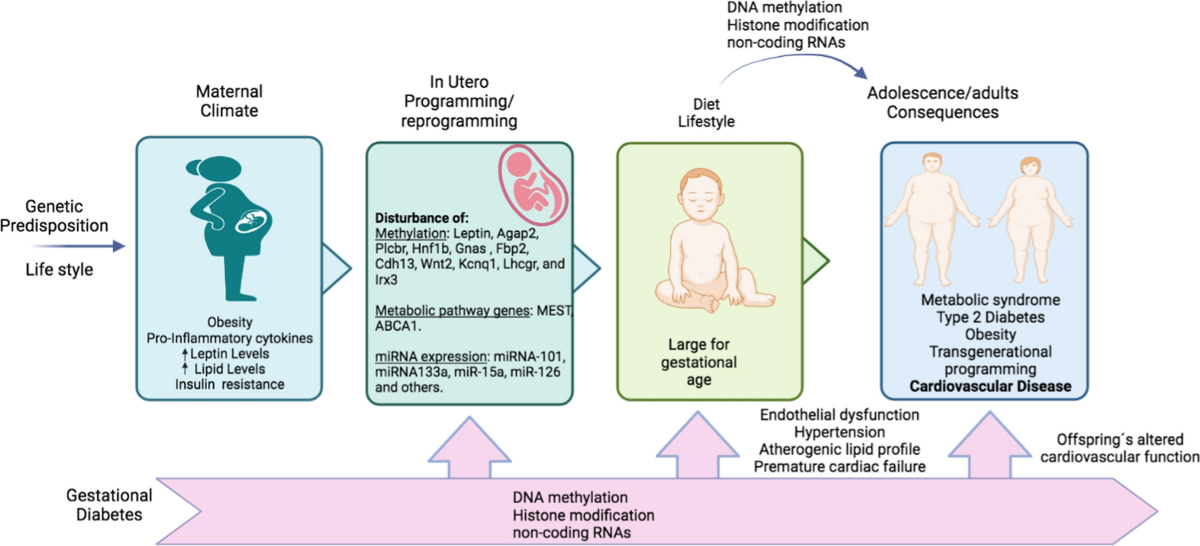
Gestational Diabetes: A Red Flag for Future Heart Health
Recent research has shed light on a connection that many might find both surprising and thought-provoking: poor cardiovascular health before pregnancy may be linked to an increased risk of gestational diabetes and could even foreshadow challenges with heart health later in life. As an editor with a deep interest in both modern and alternative approaches to healthcare, I find it essential to take a closer look at the subtle parts of this emerging evidence, explore its broader implications, and discuss ways we might better support women’s health before, during, and after pregnancy.
The study published in JAMA Cardiology by researchers at Northwestern Medicine challenges us to reconsider how we view gestational diabetes. Instead of thinking of it merely as a temporary condition, the findings suggest that gestational diabetes might be best understood as a marker—a kind of early warning sign—that reveals deeper, long-standing issues with cardiovascular health prior to conception.
Understanding Gestational Diabetes as a Signal for Prepregnancy Cardiovascular Health
When looking at gestational diabetes from a broader perspective, there are a few subtle details and tricky parts we need to be aware of. At its core, the study indicates that women who enter pregnancy with poor cardiovascular health are more likely to experience gestational diabetes—a condition that not only complicates the course of pregnancy but also may signal a future risk of coronary artery calcification (CAC) later in life.
For many patients and even healthcare providers, the realization that heart health before pregnancy can carry forward into gestational complications is both overwhelming and illuminating. It emphasizes the importance of getting into a routine of tracking and managing health factors well before planning a family. This proactive approach could play a key role in mitigating the risk of both gestational diabetes and later cardiovascular complications.
Key Findings from a Landmark Study
The study in question analyzed patient data gathered between 1985 and 2010 as part of the widely respected Coronary Artery Risk Development in Young Adults (CARDIA) study. With over 1,000 participants, the research offered a robust look into the relationships among cardiovascular health factors, gestational diabetes incidence, and subsequent development of coronary artery calcium in midlife.
Some of the main findings include:
- Women with poorer cardiovascular health before pregnancy were far more likely to develop gestational diabetes.
- These same women displayed an increased presence of coronary artery calcium, a key indicator of future cardiovascular issues.
- The study participants were diverse, with nearly half identifying as Black and the other half as white, underscoring that these health challenges affect a wide demographic range.
These results suggest that gestational diabetes might not be an isolated event but one that reflects a series of underlying issues in cardiovascular health. Recognizing these subtle details can help both patients and providers get a firmer grip on preventive healthcare measures.
Connecting the Dots: Why Prepregnancy Health Matters
The idea that gestational diabetes can serve as a warning sign for future heart disease is both stimulating and a bit nerve-racking. It challenges the conventional view of pregnancy outcomes as isolated events by revealing how preconception health can cast long shadows over later years.
To put it in simpler terms: if a woman enters pregnancy with less-than-optimal heart health, the chances are higher that she may experience a pregnancy complicated by gestational diabetes, and this may lead to heart-related problems later in life. This isn’t about blame; it’s about understanding that the twists and turns of our health are interconnected and that taking a proactive approach before pregnancy can change outcomes for the better.
Examining the Tricky Parts of Prepregnancy Assessments
Identifying and optimizing cardiovascular health before pregnancy is far from straightforward. The field is full of hidden complexities, and from a clinical standpoint, several tricky parts deserve our attention:
- Early Detection: Routine screenings often focus on immediate health concerns rather than looking ahead to potential risks like gestational diabetes. This means that detecting early signs of poor heart health may be overlooked.
- Complex Health Metrics: Measuring cardiovascular health is not just about tracking blood pressure or cholesterol levels. It involves a detailed evaluation of factors such as insulin sensitivity, inflammatory markers, and lifestyle behaviors.
- Patient Awareness: Many women may not be aware of the nerve-racking implications of poor cardiovascular health before conception. Increasing awareness is essential for early intervention.
These elements highlight the need for more comprehensive and integrated assessments of women’s health—well before they even consider starting a family. Healthcare providers should find their way to incorporate cardiovascular screenings as part of routine preconception care, thus addressing the fine points that are often left in the shadows.
Lifestyle Behaviors: Diet, Physical Activity, and More
One of the key takeaways from the study is that cardiovascular health is not merely determined by genetic factors, but also by lifestyle choices. In practical terms, a balanced diet, regular physical activity, and a healthy weight are all essential pieces in the puzzle of preconception care.
Consider the following strategies that can help manage cardiovascular risk:
- Nutrition: Emphasize whole foods over processed items. Diets rich in fruits, vegetables, lean proteins, and whole grains provide the essential nutrients needed for heart health.
- Physical Activity: Regular exercise isn’t just good for maintaining an ideal weight—it’s a key driver of cardiovascular health. Even moderate activities like brisk walking or yoga can contribute significantly.
- Stress Management: Techniques like meditation, deep-breathing exercises, and mindfulness are useful for managing stress, which can indirectly affect heart health.
- Regular Monitoring: Regularly checking blood pressure, cholesterol, and blood sugar levels can help spot issues early before they develop into more complicated pieces of health problems.
Each of these lifestyle factors plays a role in shaping a woman’s cardiovascular profile. As healthcare providers advocate for preconception care that integrates these elements, it may help reduce the incidence of gestational diabetes, thereby addressing both immediate and long-term heart health issues.
The Role of Healthcare Providers: A Community Effort
Dr. Natalie Cameron, one of the lead authors of the study, emphasized that healthcare providers have a key role in this process. By taking a good pregnancy history, assessing lifestyle behaviors, and screening for cardiovascular disease risk factors, providers can work collaboratively with patients to optimize heart health. This cooperative dynamic is especially important given the full-of-problems nature of our current healthcare transitions.
From the providers’ perspective, here are a few suggestions on how to better support women in this regard:
- Comprehensive Assessments: Integrate cardiovascular risk assessments into standard preconception and prenatal visits.
- Patient Education: Use every appointment as an opportunity to inform patients about the potential long-term implications of gestational diabetes.
- Flexible Care Pathways: Ensure that care is coordinated between obstetricians, primary care providers, and cardiologists to oversee a smooth transition from pregnancy to postpartum care.
This collaborative model is essential for managing the nerve-wracking, off-putting challenges and ensuring that patients feel supported throughout their healthcare journey.
Outcomes Beyond Pregnancy: Long-Term Implications for Heart Health
The consequences of gestational diabetes extend far beyond the pregnancy itself. For many women, a diagnosis of gestational diabetes later turns into a wake-up call—a moment that may indicate underlying cardiovascular issues that could manifest as coronary artery calcium in midlife.
What does this mean in practical terms? For starters, it suggests that women who experience gestational diabetes should prioritize follow-up care with a primary care provider after their pregnancies. The idea is to maintain a continuum of care, ensuring that any adverse outcomes are managed before they escalate into full-scale heart disease.
Understanding this link invites us to adopt a broader view of women’s health, where the goal is not to treat conditions in isolation but to build a comprehensive strategy that covers every twist and turn of a woman’s life course. Interdisciplinary approaches that bridge obstetrics, cardiology, and primary care can make a significant difference in long-term outcomes.
Bridging the Gap: Postpartum Care and Cardiovascular Health
One of the most exciting—and yet challenging—ideas coming from recent research is the prospect of revamping postpartum primary care. Women who experience adverse pregnancy outcomes, including gestational diabetes, should not be left to fend for themselves once their immediate obstetric care is over. Instead, there is a strong call to action for healthcare systems to create seamless transitions from obstetrical care to primary care providers who specialize in heart health.
Postpartum care isn’t just about recovery from childbirth—it’s also a critical window of opportunity for establishing long-term cardiovascular health strategies. With innovative ideas on the horizon, such as integrating wearable technology (like FitBit data) into electronic health records, there is potential to make healthy bedtime and daily activity tracking more streamlined and effective.
A revamped referral pathway means that:
- Smoother Transitions: Women can move from one phase of care to the next without feeling lost in the system.
- Proactive Monitoring: Continuous monitoring helps detect any early signs of heart issues, ensuring timely intervention.
- Personalized Care: With data-driven insights, providers can tailor recommendations to each patient’s specific needs and lifestyle.
This ongoing dialogue between patients and providers is critical when it comes to steering through the uncertain bits of health after pregnancy. There is a clear need for integrated care models that do more than just address immediate postpartum concerns. Instead, they must also cover lifestyle supports, such as encouraging regular physical activity and healthy eating habits.
Healthcare Innovations: Technology as a Catalyst
Technology is playing an increasingly central role in how we monitor and promote health outcomes, and it promises to be a game-changer for managing postpartum cardiovascular care. By linking wearable devices like FitBits with electronic health record systems, healthcare providers can keep a vigilant eye on how postpartum women are doing in terms of physical activity and overall wellness.
This integration offers several advantages:
- Real-Time Data Sharing: Providers can see a patient’s daily activity levels, enabling early interventions if activity drops or if concerning patterns emerge.
- Personalized Feedback: With accurate data at hand, providers can give tailored advice that takes into account each individual’s lifestyle, challenges, and progress.
- Enhanced Engagement: When patients know that their activity is being monitored in a supportive, non-invasive way, they often feel encouraged to maintain a healthier routine.
Such technological advances help bridge the gap between traditional care and modern lifestyle management. It allows both patients and healthcare professionals to get around the often confusing bits of interpreting health data by providing clear, actionable information that can be addressed promptly. This sophistication in care delivery is particularly promising when it comes to safeguarding heart health after gestational diabetes and beyond.
Policy Implications and the Need for Systematic Change
Beyond individual patient care, the research invites us to take a broader look at the structure of our healthcare system. For too long, the transition between specialties and types of care has been more than just tricky—it’s been a tangled issue that leaves patients at risk of falling through the cracks.
The study suggests that healthcare policies should be updated to:
- Incorporate preconception cardiovascular evaluations as standard practice.
- Encourage interdisciplinary collaboration between obstetricians, cardiologists, and primary care providers.
- Establish clear guidelines for postpartum follow-up, particularly for those who experienced gestational diabetes or other adverse pregnancy outcomes.
Implementing such policies is not merely a bureaucratic exercise; it has real-life implications for reducing morbidity and mortality associated with cardiovascular disease. When the system successfully figures a path for seamless care transitions, patients are more likely to adhere to treatment plans, adopt healthier lifestyle behaviors, and ultimately enjoy better long-term outcomes.
Taking a Closer Look at the Research Methodology
For those interested in the little details, the study’s methodology provides a robust foundation for its conclusions. Drawing data from the long-running CARDIA study allowed researchers to work through decades’ worth of patient information, offering a comprehensive look at how prepregnancy cardiovascular health affects pregnancy outcomes and beyond. Here are some of the key aspects:
| Aspect | Description |
|---|---|
| Participant Demographics |
|
| Data Collection Period | 1985 to 2010 |
| Main Outcomes Evaluated |
|
These details not only bolster the credibility of the findings but also underline how multifaceted and loaded with issues our understanding of reproductive and cardiovascular health truly is. Using such exhaustive data sets, researchers have been able to map out both the hidden complexities and the subtle parts that often get overlooked in more narrowly focused studies.
The Intersection of Modern Medicine and Alternative Approaches
While modern medicine provides the scientific backbone for understanding associations between cardiovascular health and gestational diabetes, alternative approaches also have a role to play. Complementary practices—such as mindful meditation, nutritional counseling, and even certain herbal supplements—can support the overall well-being of women. By promoting a more holistic view of health, these strategies can help address the nerve-racking challenges posed by both the condition and its underlying causes.
For example:
- Mindfulness and Meditation: These practices may help reduce stress levels, which in turn can improve cardiovascular function.
- Nutritional Counseling: Tailored advice based on whole foods, balanced diets, and practical cooking tips can help women manage both blood sugar and overall heart health.
- Physical Wellness Programs: Programs that incorporate alternative practices like yoga and tai chi can support physical activity while also improving mental well-being.
By integrating these alternative approaches with evidence-based modern medicine, healthcare providers can create a more comprehensive care plan. This dual approach can be particularly important for patients who are trying to figure a path through the off-putting world of managing multiple health concerns at once.
Empowering Women: The Importance of Self-Awareness and Proactive Health Management
The research findings encourage us to consider how women themselves can become active participants in managing their health. Empowering women with the right information and the right tools is super important. Here are some ways to take charge before and after pregnancy:
- Regular Checkups: Schedule regular visits with your healthcare provider to monitor heart health and screen for risk factors such as high blood pressure and abnormal cholesterol levels.
- Healthy Lifestyle Choices: Incorporate a balanced diet, regular exercise, and stress management techniques into your daily routine.
- Education: Stay informed about how conditions like gestational diabetes may affect long-term health. Knowledge is power, and understanding the subtle twists of one’s own health can lead to better outcomes.
- Use of Technology: Leverage wearable devices and mobile applications to track your activity and health metrics, ensuring that you get timely feedback on your progress.
Through a better understanding of the links between prepregnancy cardiovascular health and gestational diabetes, women can be better equipped to manage their health proactively. When patients know what to expect and how to work with their healthcare providers, they are more likely to engage in actionable and targeted strategies that prevent complications down the line.
Recommendations for a Safer, Healthier Future
Based on the evidence linking poor pre-pregnancy cardiovascular health to both gestational diabetes and subsequent heart issues, a few recommendations stand out:
- Enhance Preconception Care: Women should be encouraged to receive thorough cardiovascular screenings even before they plan to conceive.
- Integrate Multidisciplinary Practices: There should be greater coordination among obstetricians, primary care physicians, and cardiologists to create a smooth continuum of care.
- Optimize Lifestyle Interventions: Healthcare providers and public health initiatives must place a higher emphasis on diet, exercise, stress management, and other lifestyle factors as part of a comprehensive preconception health program.
- Invest in Technology: Promoting the integration of wearable devices with electronic health records can allow for immediate feedback and intervention, supporting both pre- and postpartum care.
These steps, while not free of challenges, can help mitigate the problematic aspects of disconnected care. Addressing the small distinctions in how care is delivered could lead to transformative improvements in long-term health outcomes for many women.
Looking Ahead: Future Directions and Research Opportunities
Despite the encouraging findings and the promising strategies currently under exploration, there is still much left to dig into when it comes to refining our approach. Future research could explore:
- The Impact of Early Intervention Programs: Studies could assess how proactive cardiovascular screenings and lifestyle counseling before pregnancy might lower the incidence of gestational diabetes.
- The Role of Genetics Versus Lifestyle: While lifestyle clearly plays a critical role, further research into genetic predispositions and how they interact with modifiable risk factors could provide greater insights.
- Integration of Digital Health Tools: More evidence is needed on how real-world application of wearable technology integrated with healthcare systems can improve postpartum and long-term cardiovascular outcomes.
- Cost-Effectiveness Studies: Addressing the economic aspects of enhanced screening and coordinated care models remains a priority, ensuring that the most at-risk populations can benefit from these innovations.
The healthcare community has a great opportunity here to address many of the confusing bits and tangled issues inherent in preconception care. As future studies build on the solid foundation laid by current research, we can hope for a more seamless, integrated approach that gives every woman the best chance at a healthy future.
Final Thoughts: A Call for Proactivity in Women’s Health
In conclusion, the research linking gestational diabetes to prepregnancy cardiovascular health compels us to make several key observations:
- Gestational diabetes should be viewed not just as a pregnancy complication, but as an early indicator of potential long-term cardiovascular challenges.
- Comprehensive, proactive preconception care is critical for ensuring better pregnancy outcomes and improved heart health in the years that follow.
- Both healthcare providers and patients must be educated on the subtle parts of cardiovascular risk management—the fine points that can have large impacts over time.
- Enhancing postpartum care through improved referral systems and digital health integration can help maintain momentum in heart health management long after the pregnancy is over.
This convergence of modern medical research, patient empowerment, and innovative technology represents a promising frontier in women’s health. It teaches us that the journey to optimal health doesn’t start at pregnancy—it begins well before conception, calling for an all-encompassing approach that addresses every twist and turn along the way.
By working together—healthcare professionals, researchers, and patients alike—we can figure a path that not only mitigates the nerve-racking challenges of conditions like gestational diabetes but also paves the way for a healthier, more resilient future. It’s time to get into the conversation about preconception cardiovascular care, to take the wheel in managing our health proactively, and to build a robust system where every woman has the opportunity to thrive before, during, and after pregnancy.
Embracing a Culture of Preventive Care
Preventive healthcare remains as much an art as it is a science. When we make the commitment to integrate early cardiovascular screening, lifestyle interventions, and a seamless transition from obstetric care to primary care, we are not only addressing immediate pregnancy-related risks—we are also planting the seeds for a long, healthy life.
For too long, healthcare systems have been challenged by the off-putting task of ensuring continuity of care. However, by drawing on insights from studies like the CARDIA investigation and by adopting innovative care models, we can find our way through the confusing bits and densely packed issues that have long hindered effective care. Ultimately, ensuring that every woman receives the comprehensive care she deserves is not just a medical imperative—it’s a social responsibility.
Conclusion: Charting a New Course in Women’s Cardiovascular Health
The connection between gestational diabetes and poor prepregnancy cardiovascular health is a reminder of how interwoven our health journeys truly are. While the road ahead is certainly loaded with issues that require careful, coordinated action, there is also a tremendous opportunity to harness the power of early intervention, patient education, and technology-driven care.
As we move forward, let us resolve to steer through these intimate and sometimes intimidating health challenges with clarity and determination. Whether by advocating for better screening protocols, embracing quality postpartum care, or integrating innovative digital tools into everyday practice, every step taken today plants the foundation for safer, healthier tomorrows.
Ultimately, the research calls upon us to reimagine health—not as a sequence of isolated events, but as an interconnected journey that demands early attention, continuous care, and a willingness to face even the nerve-racking truths head-on. By doing so, we empower every woman to achieve not only a successful pregnancy but also a lifetime of robust cardiovascular health.
This is not just a medical issue; it is a call for a cultural shift toward proactive, preventive care that recognizes the subtle details in our health narratives. Let’s work together—patients, providers, and policymakers—to create a system where every hurdle is transformed into an opportunity for better, more integrated care.
In our ever-evolving understanding of health, research like this offers both a mirror and a map. It reflects the current reality of how conditions like gestational diabetes are intertwined with heart health, and it provides guidance for how we might steer through the tricky pieces of care in the future. As we embrace these challenges with open minds and proactive strategies, we hold the promise of a healthier, more vibrant future for all women.
Originally Post From https://news.feinberg.northwestern.edu/2025/07/03/gestational-diabetes-may-signal-poor-prepregnancy-cardiovascular-health/
Read more about this topic at
Optimizing Pre-Pregnancy Cardiovascular Health to …
Social vulnerabilities linked to cardiometabolic risk during …
